Blog

Centenary of Hollywood’s Greatest Murder Mystery

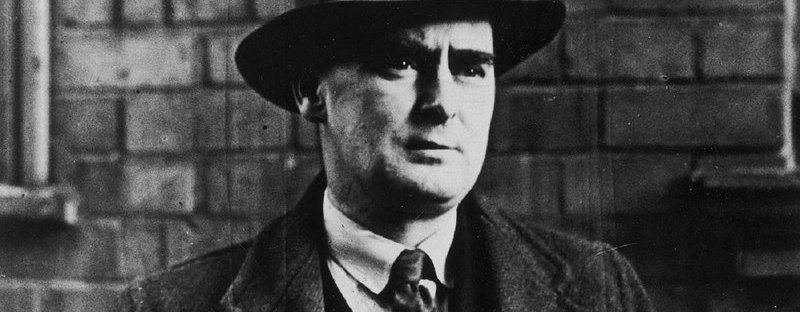
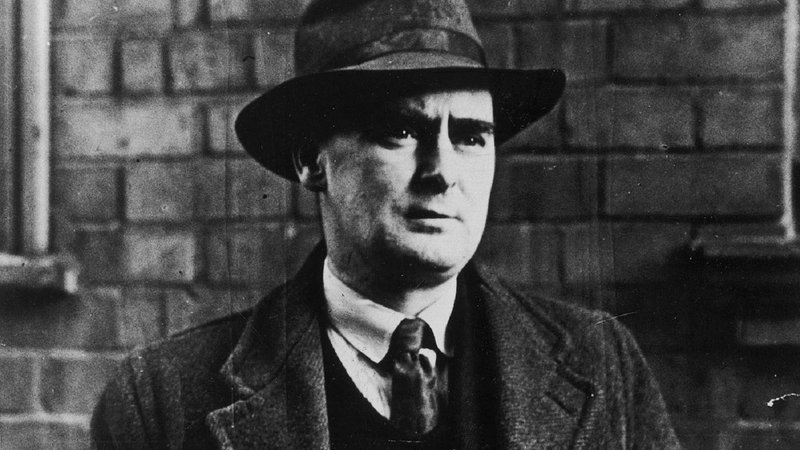
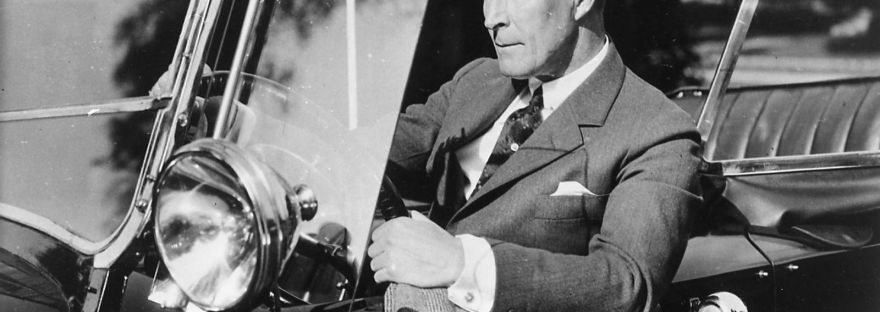
In the last couple of weeks, I got a very encouraging reaction to my work on William Desmond Taylor. The Irishman, who became a major film director and whose murder shook Hollywood, has been a recurring subject of my writing for several years now. The centenary of his death on February first prompted Newstalk FM to re-air, Who Killed Bill?, the PPI award-nominated docu-drama that I wrote and directed.

The channel gave the show a decent push as they broadcast it the two weekends bookending the centenary and posted it as a podcast here: https://www.newstalk.com/docudrama

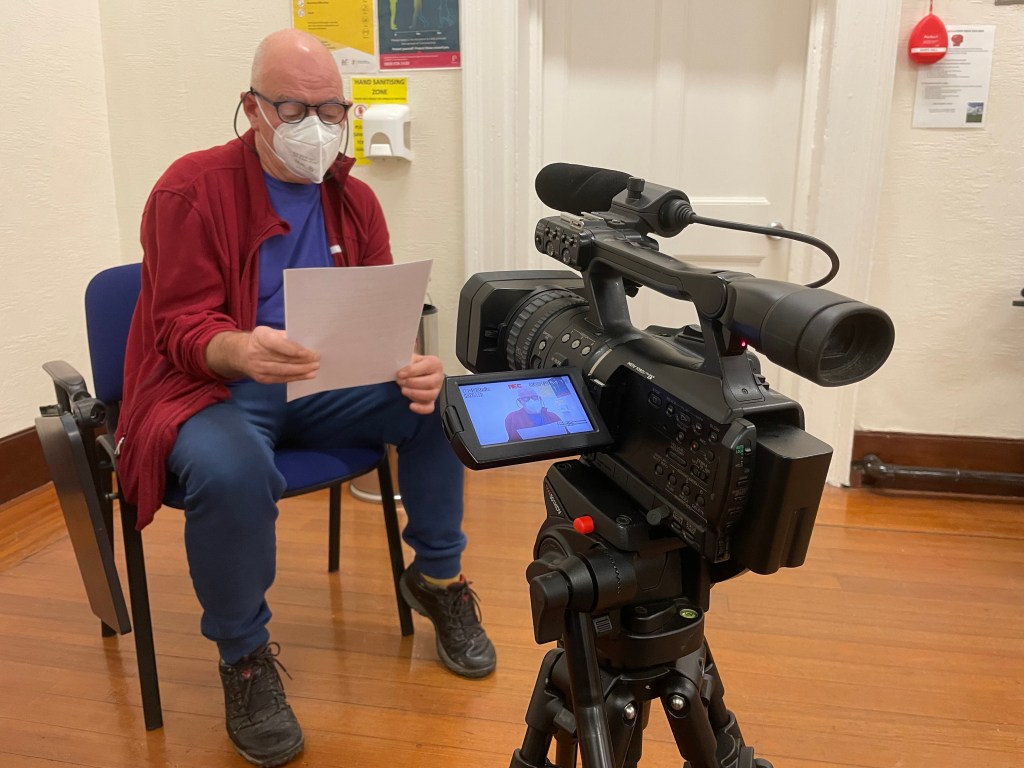
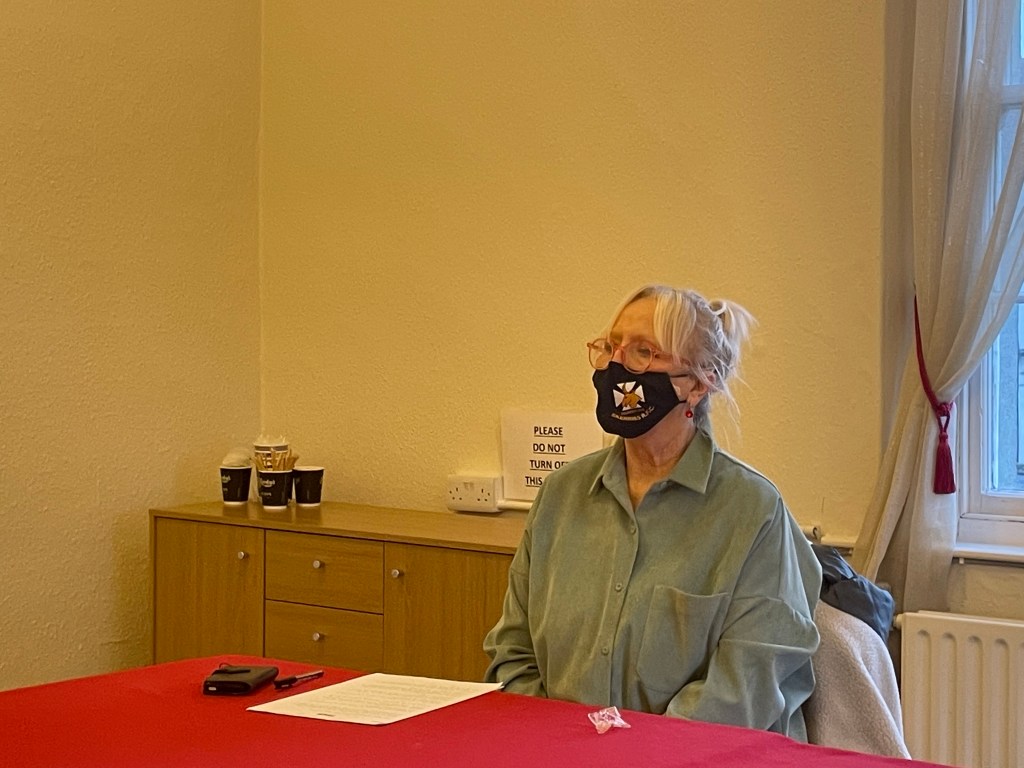
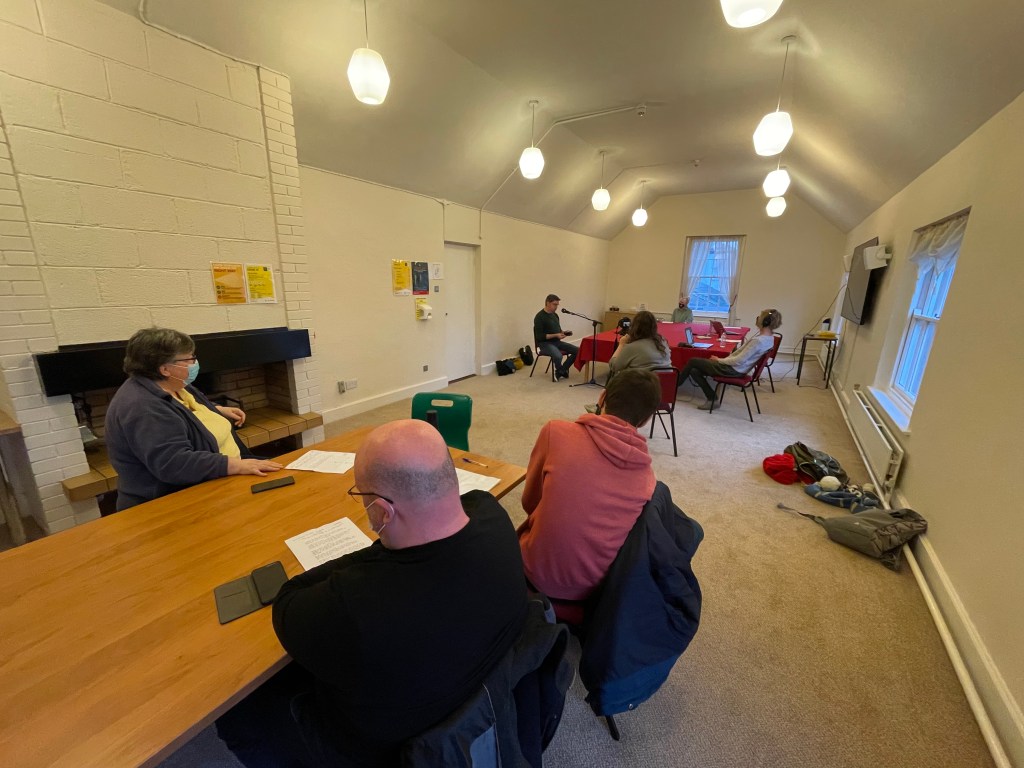
Directing Actors during the recording of ‘Who Killed Bill?’

It’s satisfying to have older work given a new lease of life but better still to have a new commission. So I was chuffed when RTE Culture reached out with a request to write an article on the Carlow man who came a cropper in California. I’ve written several times for the Irish national broadcaster, and their site has a substantial readership. For this piece, I visited Taylor’s resting place in Hollywood Forever cemetery and the site of his murder, the currently uninspiring location of a Ross – Dress for Less parking lot.

You can read it here:

https://www.rte.ie/culture/2022/0124/1275526-who-shot-william-desmond-taylor-the-irishman-who-shook-hollywood

On the site of Taylor’s Murder 100 years later

There is yet another exciting Taylor-inspired project in the offing, the details of which I shall post here shortly but in the meantime you can find tons of great WDT info here:

https://williamdesmondtaylor.co

In the Can

We recorded our last monologue.

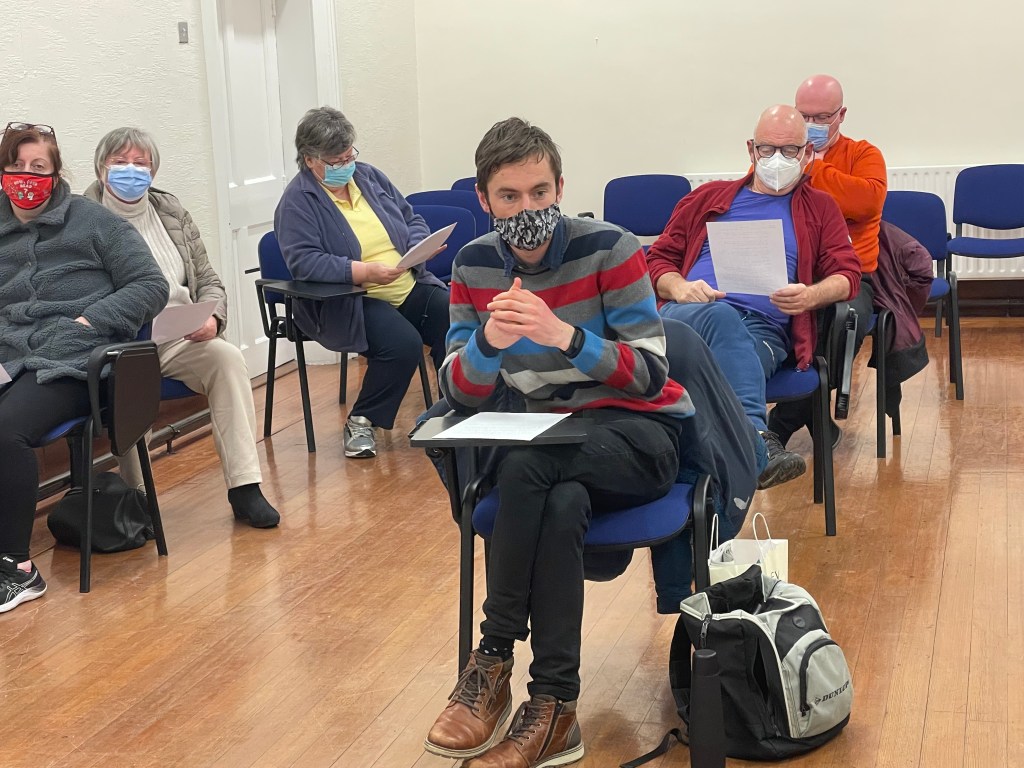
As a culmination of the writing residency in Carlow examining the mechanics of dramatic writing, I set the writers’ group an assignment to write a one-minute monologue for radio.

I wanted the group of twenty-odd writers to create something as a final assignment. I also wanted them to write something that could be produced during the residency. I stressed throughout the programme that, unlike literary writing, dramatic writing only exists to be performed. Performance means collaboration, and collaboration implies a toing and froing of creative input. To understand the nature of drama as a writer, you must understand the needs of actors, producers and directors.

So that was the requirement, to have something completed and then have it performed. It wasn’t reasonable to expect neophyte writers to produce a screenplay, even a short film screenplay, in that time, much less have it filmed. Covid obviated a staged performance; having actors and an audience in a room was not feasible. So I settled on monologues; these could be written and re-written within the schedule, and, again, considering the time constraints, actors could rehearse and perform them. I also chose the radio as the medium. The actors would not need to commit the lines to memory, and the potential audience would be more significant than whatever audience we could fit in a room.

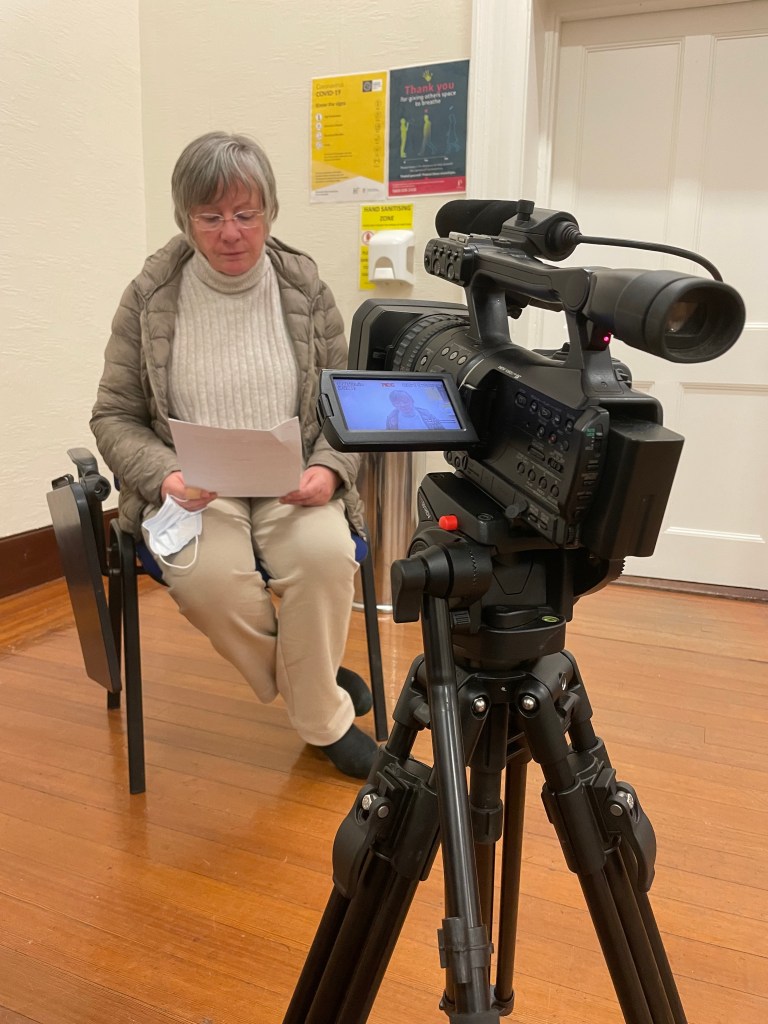
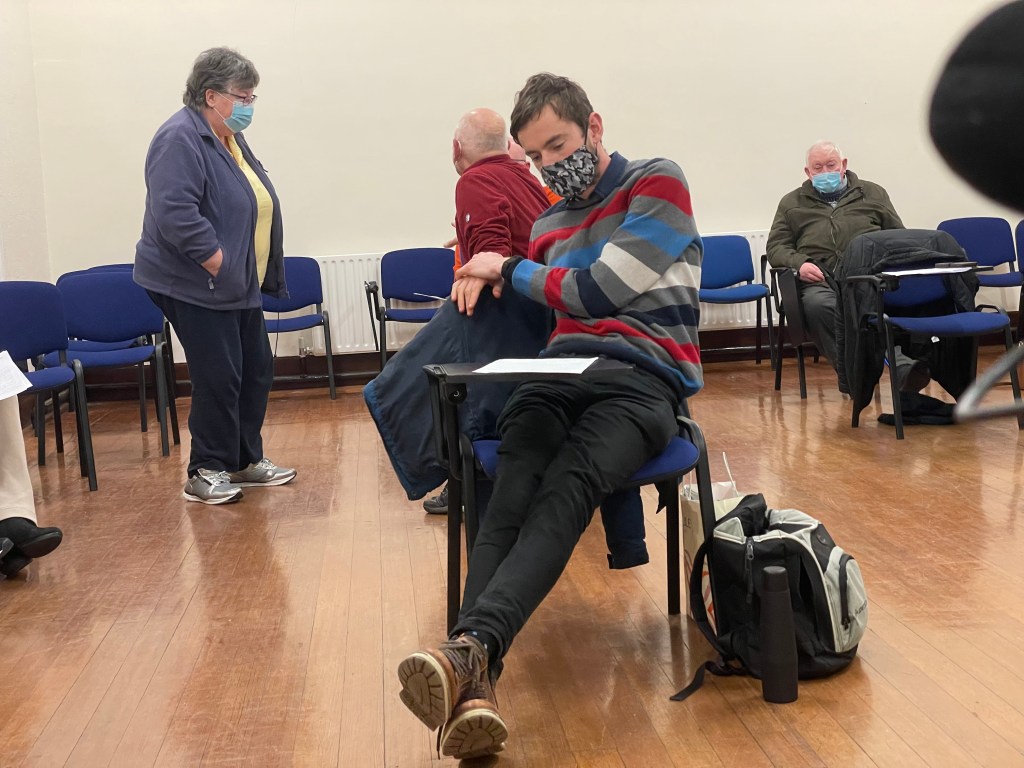
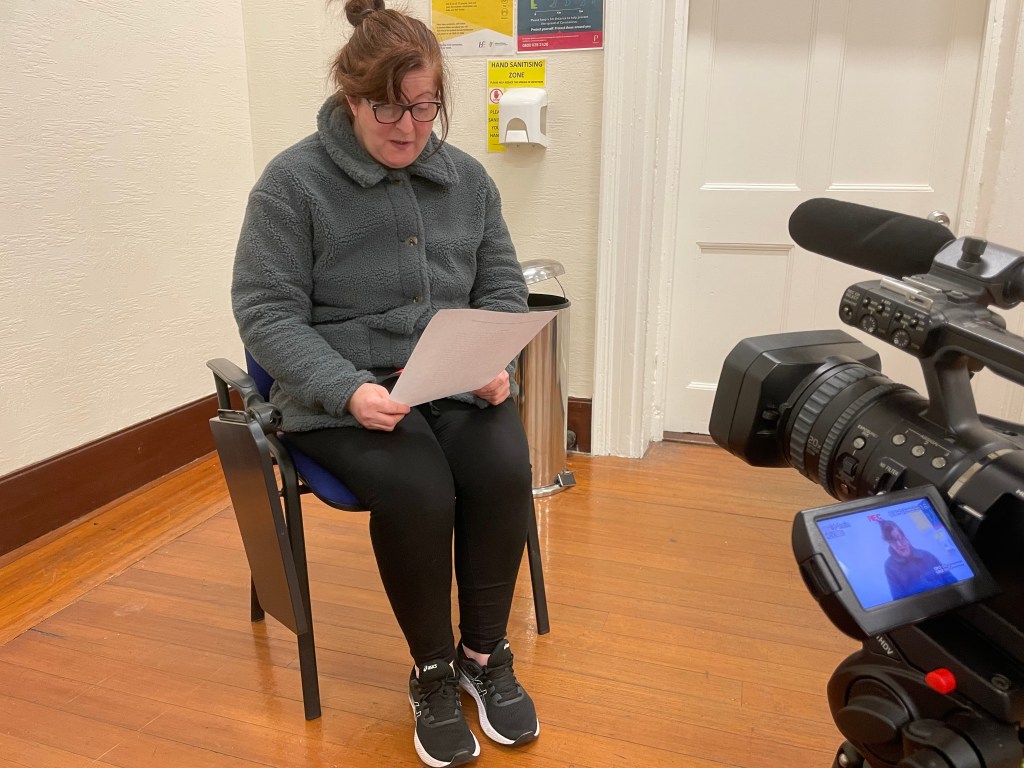
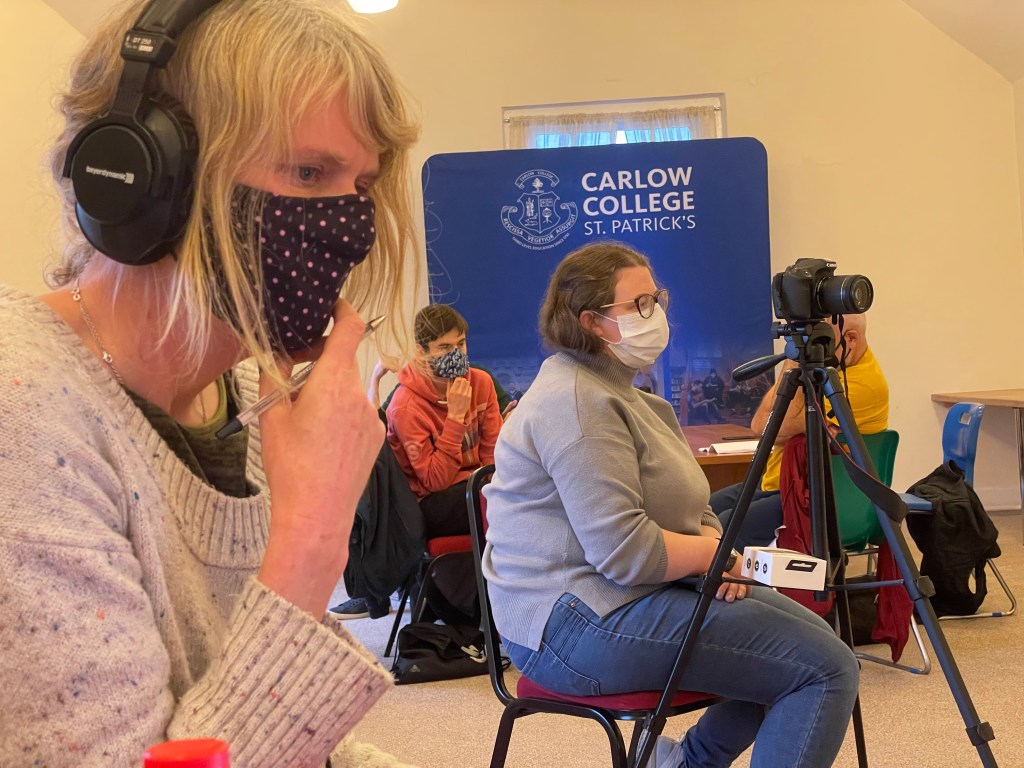
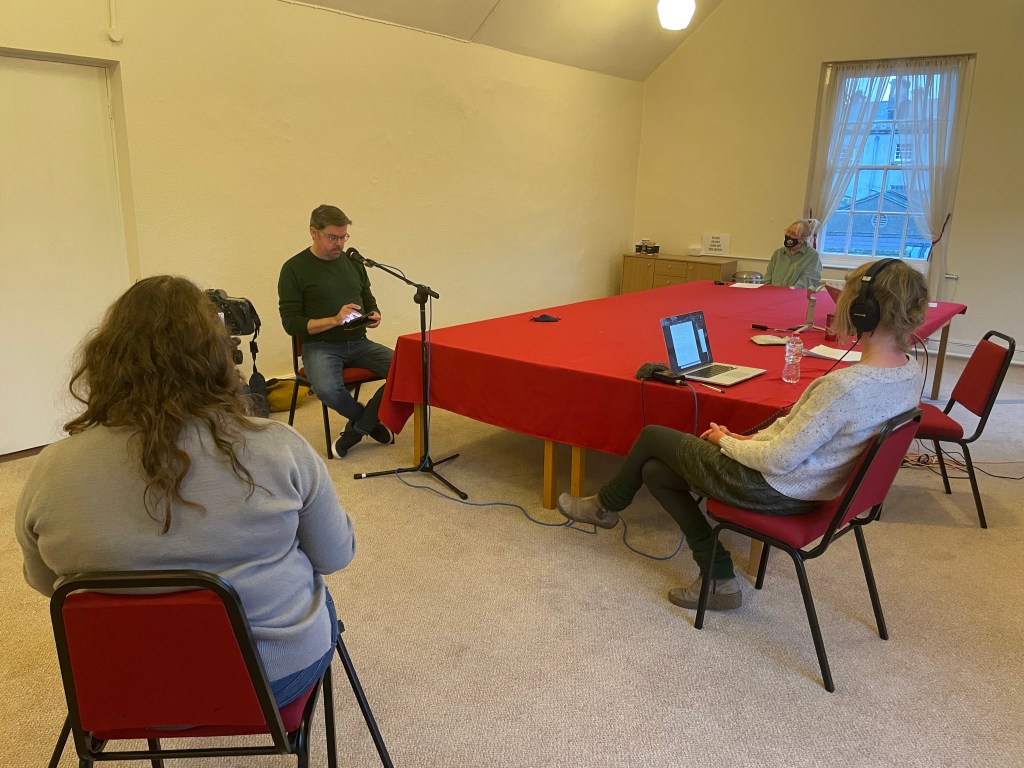
Not every member of the group submitted a piece, but we had the actors from the Carlow Little Theatre Society read every monologue completed. Out of a dozen or so monologues, we picked 8 to rehearse and subsequently record. Carlow College, St. Patricks was very helpful in supplying a large room to rehearse and a sound-proofed room to record, and Monica Hayes of KCLR FM was very kind in coming twice to record. A covid scare meant one of our actors, Gemma Lawlor, was unavailable before Christmas to record Dorenna Jennings moving piece ‘Number 3 Store Street’, so we taped it in January.

In a subsequent post, I will supply details of all the pieces, including writers and actors and the recordings themselves, but it’s nice to know it’s all in the can.

Back on the Beeb

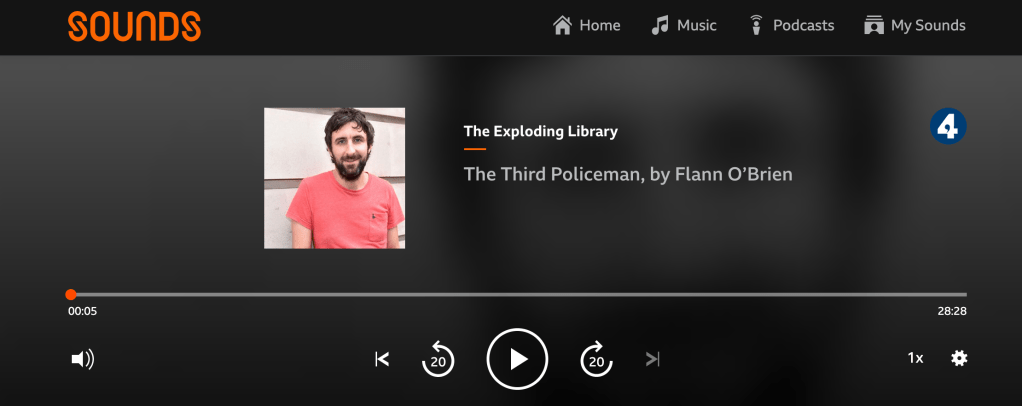
This week, I was invited by producer Steven Rajam to contribute to his BBC Radio 4 show on Flann O’Brien’s The Third Policeman. Steven had heard my RTE show on Brian O’Nolan, Bones of Contention, and thought I might give my dhá phingin on this posthumous masterpiece. Never backward about coming forward on Myles na gCopaleen, I eagerly obliged.

Flann on the radio


As part of the Exploding Library series, which takes a fresh look at classic novels, this episode had Comedian Mark Watson examine the under-valued gem by the man from county Tyrone. A couple of the same voices that featured in Bones of Contention were there, including the always engaging Julian Gough. My own contribution was modest enough but I was delighted to be involved nonetheless. I do love radio.

My previous flirtation with the BBC was also on Radio 4, when Steve Punt travelled to Ireland on the trail of murdered Hollywood director, William Desmond Taylor. The Punt PI team came to Taylor’s home town of Carlow and interviewed me on the man and land of his birth. All great craic.

Anyway, here’s my latest contribution to auntie Beeb: Link

^ Click Here ^

Writer in Residence

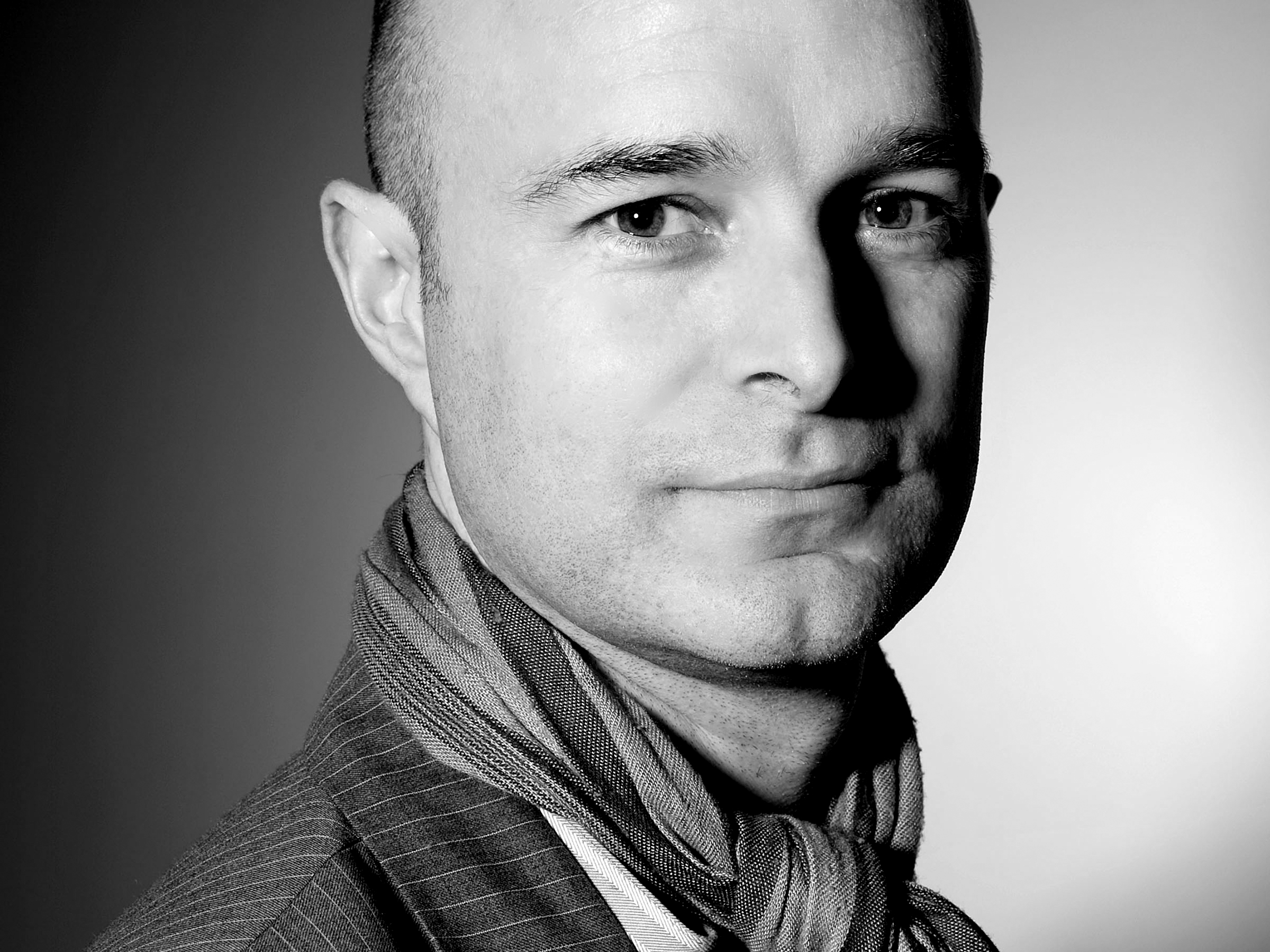
Marc-Ivan O’Gorman in the Hollywood Hills House where Orson Welles co-wrote Citizen Kane

Following in the footsteps of the likes of playwright John McKenna, poet Jessica Traynor and songwriter Mick Hanley, I am taking up the post of Writer in Residence in my hometown of Carlow, Ireland.

The residency will involve teaching a weekly class, weekly one-on-one consultations with aspiring writers and developing a drama along a local theme. The course is on the fundamentals of dramatic writing, including writing for stage, radio and animation but with a focus on screenwriting.

I have written numerous dramatic pieces based on local events and characters, from the brutal aftermath of the 1798 Rebellion to the mysterious murder of Hollywood director William Desmond Taylor. I have no doubt I will unearth another intriguing tale buried in the town’s past.

The first half of the residency will be conducted remotely, in line with Covid protection restrictions, but the latter half will happen ‘IRL’ in the magnificent 18th-century surroundings of Carlow College, St. Patrick’s.

Carlow College, St. Patrick’s, 18th Century center of learning, mother of rebellion.

“St. Pat’s” is the alma mater of the most celebrated rebels Ireland has produced, including leading Young Irelander James Fintan Lalor, legendary Fenian, John O’Leary, Easter Rising martyr, Michael O’Hanrahan, and the instigator of Australia’s Eureka Rebellion, Peter Lalor. Will I be able to tap into that renegade spirit during my sojourn?

The program, supported jointly by the Arts Council of Ireland, Carlow Arts Office, Carlow County Library Service and Carlow College, St. Patrick’s, concludes a three-year cycle with my contribution that runs from September 1st until the end of the year.

Flicker: The Life and Death of Hollywood Director

On Oscar Sunday I’m teaming up with Karie Bible to discuss the life, career and murder of silent film director William Desmond Taylor.

I was born and bred in William Desmond Taylor’s hometown of Carlow, Ireland, but it was only after moving to Los Angeles to make movies that I became aware of my fellow emigre’s compelling story. I subsequently returned to Ireland to produce the well-received docudrama, ‘Who Killed Bill?’, about Taylor’s murder, and to establish in his honor ‘Taylorfest’, an annual Arts and Silent Film festival to celebrate the contributions of Irish filmmakers to early Hollywood.

Karie Bible has been the official in house tour guide at Hollywood Forever Cemetery since 2002. She has lectured at The Old Town Music Hall, The Queen Mary, The Homestead Museum and is also a “Lady in Black” to honor silent film star Rudolph Valentino.

Karie has appeared in the segments for Turner Classic Movies, CNN, History Channel and Travel Channel. Her book credits include “Location Filming in Los Angeles” with historians Marc Wanamaker and Harry Medved and “Hollywood Celebrates the Holidays” with Mary Mallory.

Sign up below: